Complete List of Motorola KVL Encryption Keyload Cables and Adapters

Motorola KVL 3000 and 4000 Cables

KVL 3000/4000 Keyload Interface Cables and Adapters

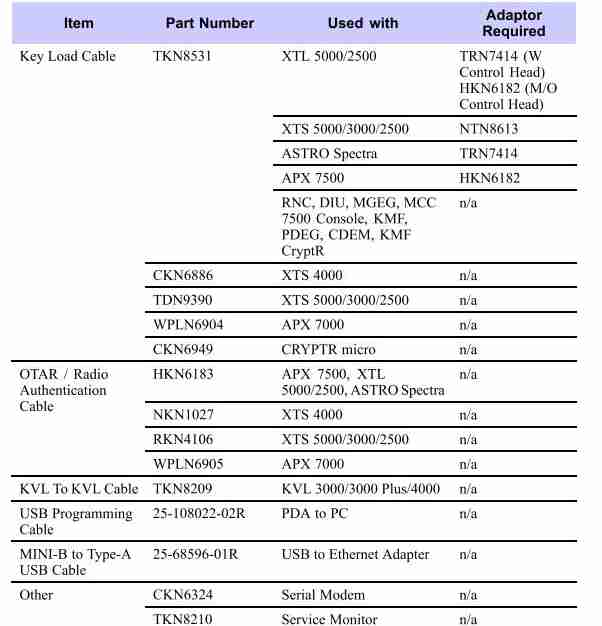
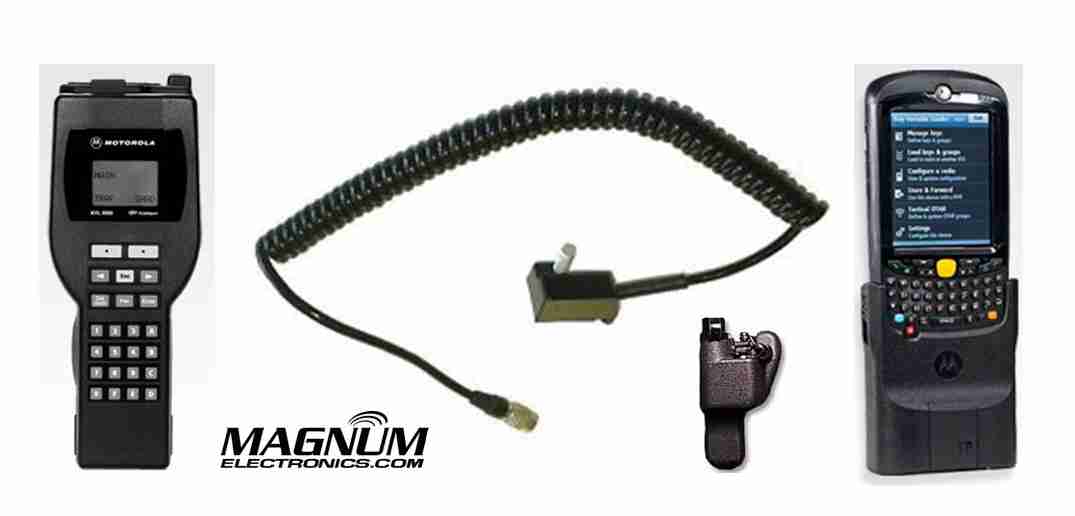
Most Motorola military and law enforcement 2-way radio communications uses an encrypted algorithm for secure voice messages. The encryption key is inserted in the radio using a KVL 3000 or KVL 4000 as shown. The basic interface cable is the Motorola TKN8531 and an adapter specific to the radio model. XTS 5000/2500 series portable hand-held radios require a NTN8613 adapter. APX 7500/6500  and most XTL 5000/2500 mobile radios need the HKN6182.

APX 7000/6000 series use the WPLN6904 cable that does not require an adapter.

OTAR and Radio Authentication Cables 

For systems using OTAR (over-the-air-rekeying) or radio authentication, the KVL uses a different set of cables without the need for adapters. APX, XTL, and Astro Spectra mobile radios use the HKN6183. XTS portable radios require the RKN4106 and APX 7000/6000 portables use the WPLN6905 cable.

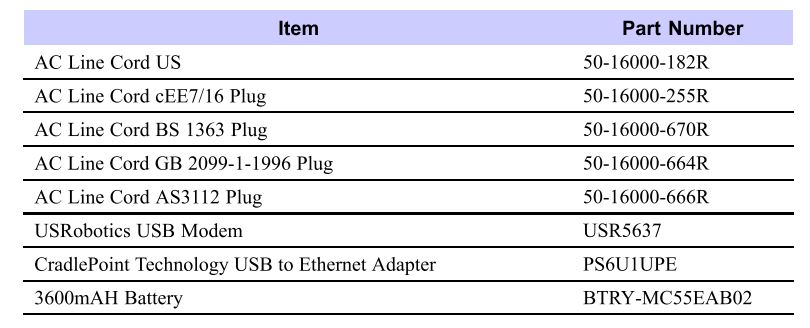
For a complete list of KVL 4000 cables, adapters, and accessories, see the charts below.

Motorola KVL Interface Cables and Adapters

Optional accessories for the KVL 4000:

KVL Optional Accessories

Motorola Temple Transducers Provide Discreet Listening

2-Way Radio Headset Keeps Ears Uncovered

Motorola 2-way Radio Temple TransducerTemple transducers are available for most Motorola 2-way radios and are the only audio accessory that keeps your communications discreet without covering your ears. Loud and clear radio transmissions are received using transducers that rest on each temple. The ears are uncovered so you will hear normally when there is no radio traffic. People close by will not hear radio messages keeping your communications private.

Use Temple Transducers in High Noise Environments with Earplugs

Temple transducers can be more comfortable than muff style headsets in hot weather orSpring & Associates Driller when working on loud machinery. Maryland based Spring and Associates performed a comparison on their job site with extreme machinery noise using MOTOTRBO XPR6550  radios. The PMLN5101 temple transducer was preferred except when extreme noise levels approached 130dB.

Choose the Correct Temple Transducer for Your Radio

Motorola offers temple transducers with connectors for most of their radios. The new APX series radios have a direct wire connector and a new boomless model that is compatible with the APX display microphone.

APX 7000, 7000XE, APX 6000, 6000XE, APX 4000 Radio Models

RMN5116 Temple TransducerFor the new APX P25 series, choose the PMLN5101 temple transducer with boom microphone.

The boomless RMN5116 is the correct choice if you use a APX display remote speaker microphone.

XTS 5000, XTS 2500, XTS 1500, PR1500, MT1500 Radio Models
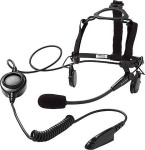
Rugged Temple Transducer

RMN5049

The standard temple transducer with the XTS series connector is the RMN4049. There is also a more rugged version, RMN5049, that includes an adjustable headband keeping it more secure when repelling, jumping, or performing other physical activity. These are also compatible with HT1000, JT1000, MTS2000, MT2000, MTX8000, MTX9000, XTS3000, and XTS3500.

MOTOTRBO XPR 6100, 6350, 6550, 7350, 7550 Radio ModelsMotorola PMLN5101

All Motorola XPR 6000 and 7000 series radios are compatible with the PMLN5101 temple transducer. An oversized PTT and coiled cord is included.

There is no temple transducer available yet for the XPR3300, XPR3500, or SL7550.

Motorola HT750, HT1250, HT1550, PR860 Radio Models

The RMN4048 is the correct temple transducer model if you have a Motorola HT750/1250/1550, PR860, MTX850, MTX8250, MTX950, or MTX9250.

There is a rugged version, RMN5048 with an adjustable headband too. Both have a large PTT body switch.

Motorola EX500, EX560, EX600 Radio Models

The Motorola EX radio compatible temple transducer is the PMLN4585.

Motorola BPR40, CP110, CP185, CP150, CP200, PR400
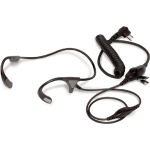
CP200 Temple TransducerChoose the PMLN5003 boomless lightweight temple transducer with in-line microphone and 2 prong connector. Adjustable for use on long shifts. Not suitable for high noise environments.

Also compatible with P1225, CP125, VL130, CT150, CT250, CT450, GP300.

Motorola DTR410, DTR650, VL50

The RMN5114 is the correct choice. Although it uses a similar sized 2 prong connector like the PMLN5003, they will not fit the jack.
Advantages of New Motorola DMR MOTOTRBO XPR 5550

New Motorola XPR 5000 Series Supports Analog and Digital DMR

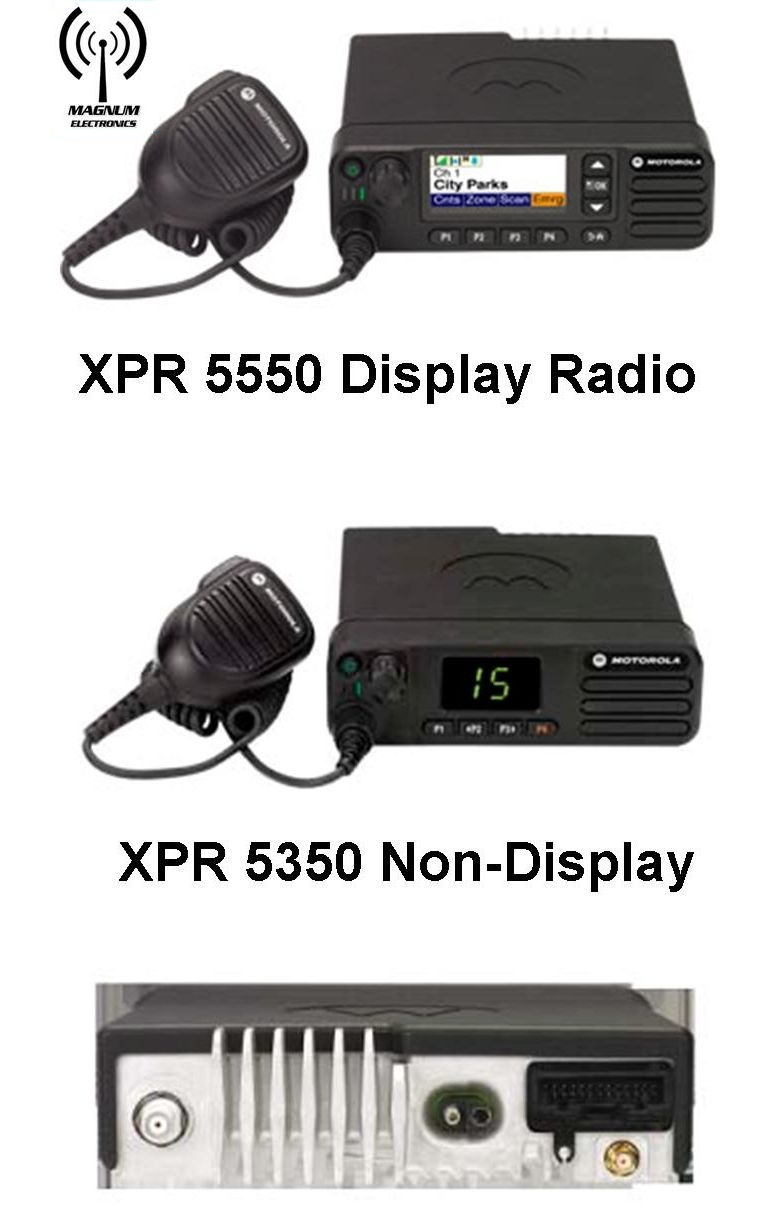
Motorola MOTOTRBO XPR 5350 & XPR 5550 Motorola’s newest base/mobile offering to the MOTOTRBO DMR platform is the XPR 5000 series. Introduced in the VHF and UHF bands, the radios can be programmed with up to 1,000 analog and digital channels providing easier migration and interoperability. 

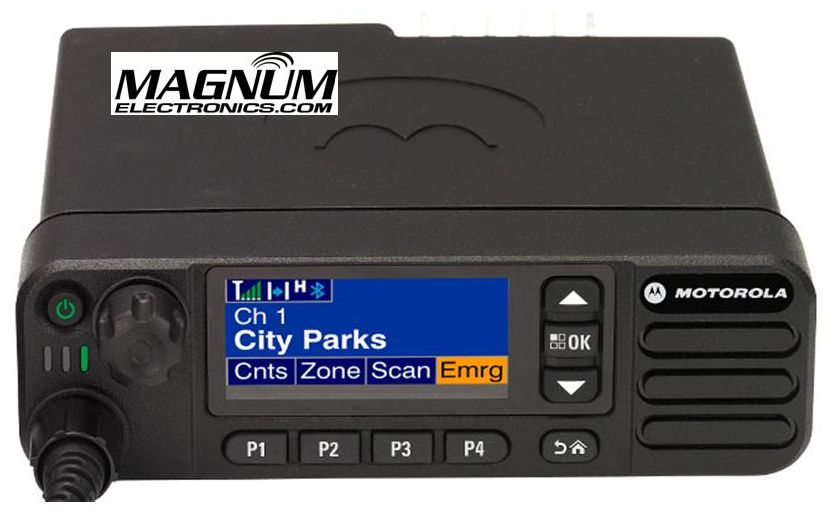
The flagship XPR 5550 includes a color display with day and night modes for easier viewing. The XPR 5350 has a numeric channel display and 32 channel capability.

An internal GPS receiver and text messaging is standard on both models.

New XPR 5000 Series Includes Embedded Wireless Bluetooth for Voice and Data

Workers can monitor and respond to voice radio traffic when not in the vehicle using any standard Bluetooth headset. This can enhance productivity by giving your workforce the ability to stay in touch when away from the mobile radio.

Bluetooth is also an easy way to connect hand-held scanners, bar code readers, and other data collection devices. You will need to purchase the HKVN4088 optional software license at a cost of $50 to enable the data transfer feature. MOTOTRBO already supports many independent software applications that enhance mobile worker productivity.

XPR 5550 5 Line Color Display Provides Day and Night Modes for Easier Viewing

Motorola XPR 55550 Display in Night Mode

Motorola XPR 5550 Display in Night Mode

Text messaging, mobile workforce productivity applications, and large channel lists are easily managed with the XPR 5550 5 line color display. The bright display can be viewed easily in broad daylight or in low light environments with night mode. Four programmable buttons can be labeled for your operational needs and a home button provides an easy user interface.

Dual Function Channel/Volume Knob Eliminates Rocker Switches

The XPR 5000 series incorporates a single knob for both volume and channel control. With a short press of the knob you can change your volume and channel easily. The XPR 5000 platform also has a nice feature called “intelligent audio” that increases or decreases the volume automatically if surrounding noise conditions change.

One Minute Video Summary of the XPR 5000 Series

Want to Buy License-Free FRS Talkabout Radios? Read this First

There are Better Choices for License-Free On-site Radio Communications

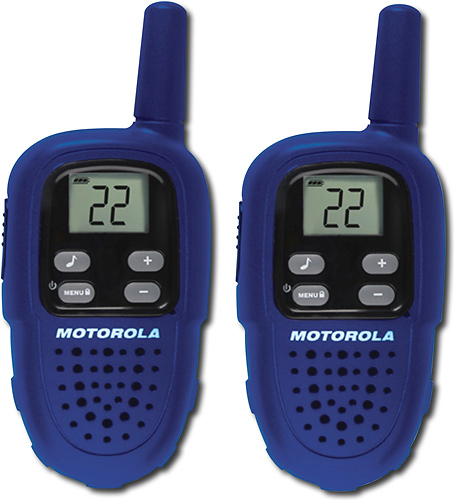
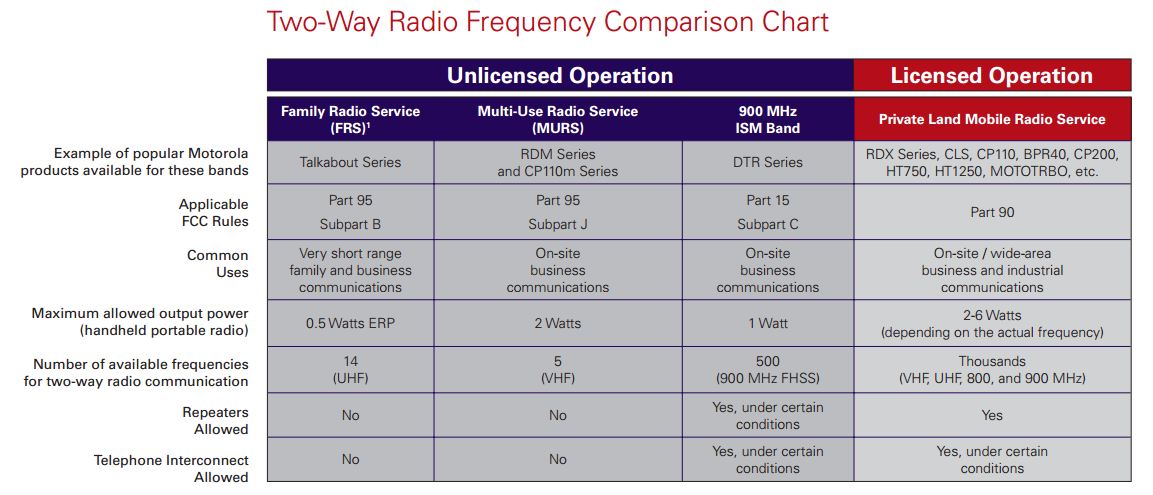
FRS Radios are low power and License freeHotel and retail business owners and general managers often purchase analog Part 95 FRS (Family Radio Service) radios for on-site communications. You can find them almost anywhere at very low prices and there is no FCC license required.

After a few months, the batteries do not last an entire shift, dead spots increase, and interference from children can become unbearable when directing your employees. Some FRS radios also have higher power GMRS (General Mobile Radio Service) frequencies for better range but require a costly FCC license in an individual’s name – not the business.

Part 95 MURS Band is a Better Choice for License Free Communications

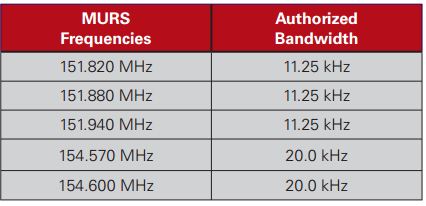
Part 95 MURS Frequencies

MURS (Multi-Use Radio Service) band consists of five frequencies designated for private, 2-way, voice and data communications for individual and business use. Power output limitation is two watts and 4 times greater than FRS. Although there is no protection from possible interference from other users, the MURS band is a much better alternative when choosing license-free channels. Repeaters and signal boosters are not allowed and operation in aircraft is prohibited.

Motorola CP110m is Designed for MURS Operation

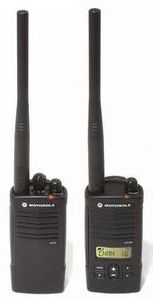
The Motorola CP110m is available with 2 or all 5 MURS analog channels.Motorola CP110m MURS 2 & 5 channel radios It provides better battery life and is rated IP54/55 for water and dust resistance. It uses the same batteries and accessories as the Motorola RDX series.

The CP110m will provide coverage in a 10 story hotel up to 200,000 square feet. You can purchase an optional 2 or 3 year warranty. Expect the radio to be in service for a long time. Scan, VOX (voice operated transmit) hands-free operation, and voice scramble provide a lot of value for the low price.

CP110m programming software is free from Motorola and cloning is easy using the included chargers. All you need is the USB programming cable (RKN4155) and a cloning cable (RLN6303) if you want the ability to make any changes to your privacy codes or frequencies.

Many other Motorola and Vertex Standard analog portable radio models can be programmed to use MURS channels using the low power setting. This helps with interoperability when working with other companies and provides more flexibility for your future requirements.

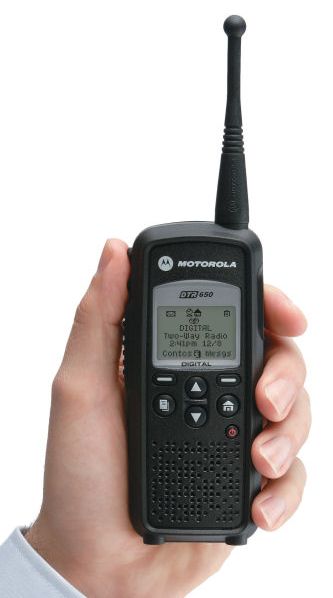
Part 15 900 MHz ISM Band is License Free for DTR Digital RadiosMotorola DTR digital license free radio

900 MHz ISM band provides better building penetration for up to 20 floors.The DTR650 digital radio can also provide one-to-one private communications when needed. It is only compatible with other DTR radios.

Text messaging for discreet messaging, unit ID, long battery life, and call alert are just some of the digital features included. Free programming software is also available for this model.

Priced significantly less than $300 it is the best choice for on-site communications using license-free spectrum.

FCC License Free vs. Licensed 2-way Radio Spectrum

Obtaining a FCC license is still the best alternative for your business because you will have less interference, more range, and many more radio choices. We have many customers using MURS and ISM band that have are very satisfied with their radios for many years. Feel free to contact us to determine if license free communications will work for your business.

FRS MURS ISM FCC License Comparison Chart

Check the Date Codes of Your 2-Way Radio Batteries

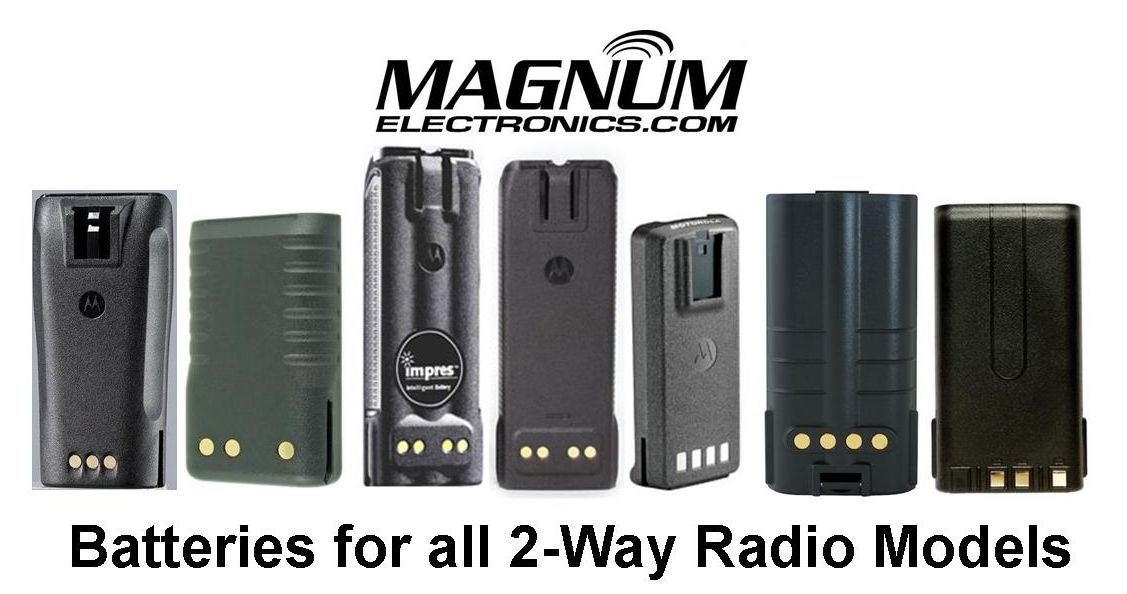
Magnum Electronics Supplies Batteries for All 2-Way Radio Models

It is that time again to check your radio batteries so you keep your communications loud and clear. Batteries begin to degrade after 18-24 months of use and can affect radio performance. Many intermittent radio problems are solved with a fresh battery.

How to Read a Motorola Battery Date Code

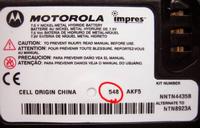
All Motorola batteries have a 3 digit date code on the battery label. Check the date codeMotorola Battery Label and Date Code Circled on your Motorola battery and if the first digit is a “0” or “9” it is a good time to replace it.

The first digit represents the “Year” and the next digits are the “Week” manufactured. For example; 036 is the 36th week of 2010.

All Motorola batteries carry a replacement warranty of at least a year after the date code and probably longer if marked IMPRES or contain NiCD cells.

Replacement Batteries for Motorola, Vertex, & Other Radio Manufacturers

We carry Motorola Original OEM, Vertex-Standard OEM, and Power Products batteries for all current and discontinued radio models.

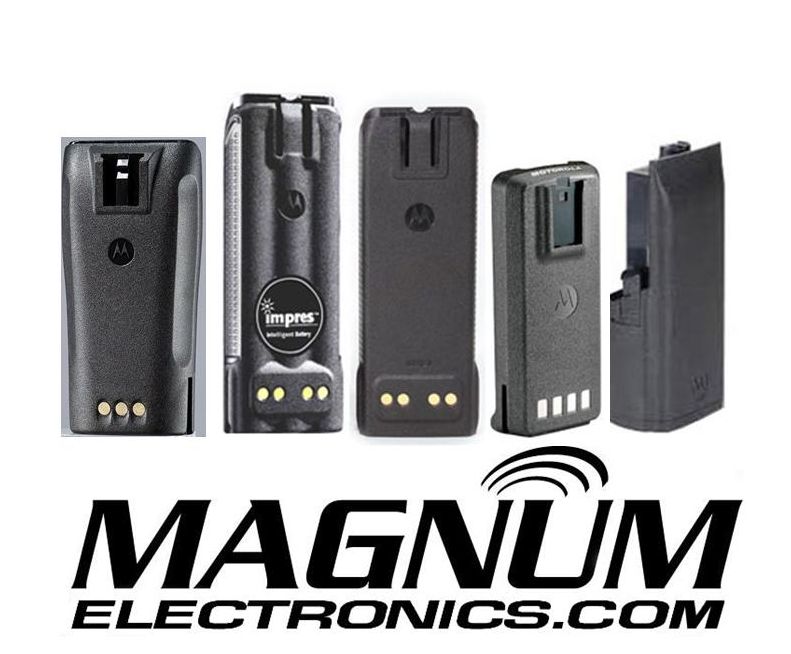
Below are links to the most popular and recommended batteries:

We also carry replacement batteries for Harris, Kenwood, Icom, Tait, and many other hard to find models. Check our 2-Way Battery selection or call us and we will be happy to help you find the best battery for your needs.

Battery Technology – Lithium Ion vs. Lithium Polymer

2-Way Radio Batteries What is different between Li-ion and Li-Polymer Batteries?

We have received several inquiries about the newest battery technology, Li-Po, that is now available for 2-way radios. Historically, NiMH was an improvement as compared to NiCD and Li-ion has many advantages over NiMH. The assumption that Li-Po is now the best battery for your radio is more marketing than anything else.

Li-Po or Lithium Polymer battery cells still use the same chemical material as Li-ion but the difference is the way they are packaged. Li-ion batteries use a thick-walled, rigid aluminum case for the cells and Li-Po utilizes a new thinner foil aluminum case. Bottom line is the difference is all in the cell construction.

Both Li-ion and Li-Po are Recommended But Check the Specs

Li-Po battery manufactures must add a more rugged case to meet the mission-critical specs required for two-way radio specifications. When comparing Li-ion and Li-Po batteries the following should be considered:

  • Battery capacity measured in mAh – The higher the mAh number the longer your battery will work before needing a recharge. When comparing specs be careful when you see the words “typical” or “average” and not “minimum” or “rated”. Our experience is there can be a big difference in actual results.
  • IMPRES or Advanced Charging Technology – “Smart battery” automatic conditioning improves performance and keeps them in service longer.
  • Drop Specification – Dropping the radio is probably the most common reason why batteries fail. Most Motorola mission-critical batteries are rated at 36 drops from 5 feet to a concrete floor.
  • IP (Ingress Protection) Rating – Higher IP numbers are better and signify the ruggedness of the battery. The first number references solids and the second number signifies liquid protection. The highest solid number is “6” (dust tight) and the highest liquid is “8” (submersibility beyond 1 meter).
  • Overvoltage protection circuit – Better batteries have 2 levels, some have 1, and lower cost batteries may not include have protection at all.
  • Temperature Range – Extreme cold affects Lithium battery performance and the spec should be investigated if your environment is outside “normal”.
  • Intrinsically-Safe Rating – FM Approval is important if you use your radio in hazardous, combustible atmospheres where an electrical spark could cause an explosion.